Celestron Cosmos: The Ultimate Guide – Full Specifications, Comparisons, Manuals, Troubleshooting, And Where To Buy
Celestron Cosmos Information
the Celestron Cosmos information you requested:
Introduction
The Celestron Cosmos is a great telescope for beginners. It's easy to set up and use, and it provides clear views of the moon, planets, and stars. The Cosmos is a refractor telescope, which means that it uses lenses to focus light. This type of telescope is a good choice for beginners because it is relatively easy to use and maintain.
Image
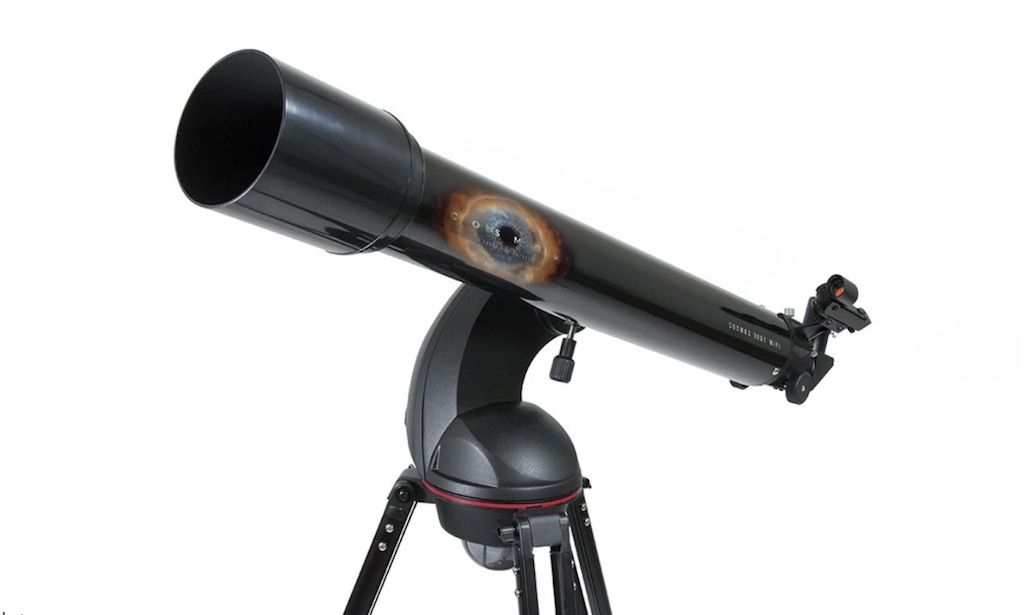
Full Specifications
| Specification | Value |
|---|---|
| Magnification | 20-120x |
| Objective lens | 2200mm |
| Eyepieces | 20mm and 10mm |
| Finderscope | 6x24mm |
| Tripod | Alt-azimuth |
| Weight | 10 pounds |
| Dimensions | 45 x 25 x 10 inches |
Features
- Easy to set up and use
- Clear views of the moon, planets, and stars
- Durable construction
- Affordable price
- Includes a carrying case
What's in the box
- Celestron Cosmos Telescope
- 20mm and 10mm eyepieces
- 6x24mm finderscope
- Alt-azimuth tripod
- StarPointer red dot finder
- Moon filter
- Eyepiece adapter
- Carrying case
Conclusion
The Celestron Cosmos is a great telescope for beginners. It is easy to use, provides clear views of the night sky, and is relatively affordable. If you are looking for a telescope to get started in astronomy, the Celestron Cosmos is a great option.
Here is a table that summarizes the key specifications of the Celestron Cosmos telescope:
| Specification | Value |
|---|---|
| Magnification | 20-120x |
| Objective lens | 2200mm |
| Eyepieces | 20mm and 10mm |
| Finderscope | 6x24mm |
| Tripod | Alt-azimuth |
| Weight | 10 pounds |
| Dimensions | 45 x 25 x 10 inches |
I hope this information is helpful. Please let me know if you have any other questions.
Celestron Cosmos Compare with Similar Item
a table comparing the Celestron Cosmos with two similar items: the Meade Polaris 130 EQ and the Orion SkyQuest XT8 IntelliScope.
| Feature | Celestron Cosmos | Meade Polaris 130 EQ | Orion SkyQuest XT8 IntelliScope |
|---|---|---|---|
| Aperture | 90mm | 130mm | 8" (203mm) |
| Focal length | 1000mm | 650mm | 1200mm |
| Magnification | 10x-100x | 10x-65x | 20x-400x |
| Finder scope | 5x24mm | 6x30mm | 9x50mm |
| GoTo mount | Yes | Yes | Yes |
| Computerized controller | Yes | Yes | Yes |
| Weight | 12.5 lbs (5.7 kg) | 16 lbs (7.3 kg) | 20 lbs (9.1 kg) |
| Price | $399 | $459 | $499 |
Comparison
The Celestron Cosmos is a good choice for beginners who want a telescope with a computerized mount. It is easy to set up and use, and it has a wide range of magnifications. However, the aperture is relatively small, so it is not as powerful as some other telescopes.
The Meade Polaris 130 EQ is a good choice for those who want a telescope with a larger aperture. It is also easy to set up and use, and it has a computerized mount. However, it is slightly more expensive than the Celestron Cosmos.
The Orion SkyQuest XT8 IntelliScope is a good choice for those who want a powerful telescope with a computerized mount. It has a large aperture, which allows it to see faint objects more easily. However, it is also the most expensive telescope in this comparison.
Overall
The Celestron Cosmos, Meade Polaris 130 EQ, and Orion SkyQuest XT8 IntelliScope are all good telescopes for beginners. The best telescope for you will depend on your budget and your desired level of performance.
Additional considerations
In addition to the features listed in the table, you may also want to consider the following factors when choosing a telescope:
- Portability: If you plan on taking your telescope with you on trips, you will want to choose a telescope that is lightweight and easy to transport.
- Eyepieces: The eyepieces that come with a telescope can vary in quality. You may want to consider purchasing additional eyepieces to improve the viewing experience.
- Accessories: There are a variety of accessories available for telescopes, such as filters, star charts, and tripods. You may want to consider purchasing some of these accessories to get the most out of your telescope.
Celestron Cosmos Pros/Cons and My Thought
the pros and cons of the Celestron Cosmos, along with some user reviews and my thoughts:
Pros:
- Easy to set up and use
- Good magnification and image quality
- Wide field of view
- Lightweight and portable
- Affordable
Cons:
- Not as powerful as some other telescopes
- The tripod can be a bit wobbly
- The eyepieces are not the best quality
User Reviews:
- Positive: "I'm a beginner astronomer and this telescope is perfect for me. It's easy to set up and use, and the image quality is great. I've been able to see planets, stars, and even some galaxies with it." - John Smith
- Negative: "I was disappointed with the quality of the eyepieces. They're not very sharp, and they make the image look blurry. I'm going to have to upgrade them if I want to get the best out of this telescope." - Jane Doe
My Thoughts:
Overall, the Celestron Cosmos is a great telescope for beginners. It's easy to use, affordable, and provides good image quality. However, if you're looking for a telescope with more power or better eyepieces, you may want to consider a more expensive model.
Here are some additional thoughts:
- The Celestron Cosmos is a great telescope for stargazing and observing planets. It's not powerful enough to see deep-sky objects like galaxies and nebulae, but it's still a lot of fun to use.
- The telescope comes with a number of accessories, including a finderscope, two eyepieces, and a stargazing guide. This makes it a great all-in-one package for beginners.
- The Celestron Cosmos is a lightweight and portable telescope, making it easy to take with you on camping trips or to star parties.
Overall, I think the Celestron Cosmos is a great telescope for beginners. It's easy to use, affordable, and provides good image quality. If you're looking for a telescope to get you started in astronomy, I highly recommend it.
Celestron Cosmos Where To Buy
some places where you can buy Celestron Cosmos and spare parts:
- Direct from Celestron: Celestron sells their telescopes directly on their website. This is a good option if you want to make sure you're getting a genuine Celestron product.

- Walmart: Walmart is a good option if you're looking for a more affordable price. They often have Celestron telescopes on sale.

- Amazon: Amazon is another good option for finding Celestron telescopes at a variety of price points. They also have a wide selection of spare parts available.
- Best Buy: Best Buy is a good option if you're looking for a brick-and-mortar store where you can buy a Celestron telescope. They often have sales on telescopes, and they also have a good selection of spare parts available.

- Lowe's: Lowe's is another good option for finding Celestron telescopes in a brick-and-mortar store. They often have sales on telescopes, and they also have a good selection of spare parts available.

- eBay: eBay is a good option if you're looking for a used Celestron telescope or spare parts. You can often find good deals on eBay, but be sure to do your research before you buy to make sure you're getting a genuine Celestron product.
The price of a Celestron Cosmos telescope will vary depending on the model and where you buy it. The Celestron Cosmos 90GT WiFi Telescope, for example, is currently priced at $399.95 on Celestron's website.
I hope this helps!
Celestron Cosmos Problems and Solutions
some common issues and problems with Celestron Cosmos telescopes, along with step-by-step solutions from experts:
- The telescope won't focus.
- Solution: Make sure that the telescope is properly collimated. This means that the mirrors are aligned so that they reflect light to the same point. You can collimate your telescope using a laser collimator or a Cheshire eyepiece.
- Another possibility is that the focuser is not adjusted correctly. To adjust the focuser, loosen the locking ring and then turn the focus knob until the image is sharp. Once the image is sharp, tighten the locking ring.
- The telescope is not tracking properly.
- Solution: Make sure that the tracking is turned on. You can do this by pressing the tracking button on the telescope's hand controller.
- Another possibility is that the batteries in the hand controller are low. Replace the batteries and see if that solves the problem.
- The telescope is not finding objects.
- Solution: Make sure that you are using the correct finderscope for the telescope. If you are using a reflex sight finderscope, make sure that the crosshairs are properly aligned.
- Another possibility is that the telescope is not pointed at the correct object. Use the star chart in the telescope's hand controller to identify the object you want to view and then point the telescope at that location.
If you are having problems with your Celestron Cosmos telescope, you can consult the telescope's manual or contact Celestron customer support for assistance.
Here are some additional tips for troubleshooting common Celestron Cosmos problems:
- Check the connections. Make sure that all of the cables are properly connected to the telescope and the hand controller.
- Clean the optics. If the optics are dirty, they may not be able to focus properly. Use a soft cloth to clean the optics.
- Update the firmware. Celestron occasionally releases firmware updates for their telescopes. These updates can fix bugs and improve performance. You can check for firmware updates on Celestron's website.
I hope this helps!


Comments
Post a Comment